


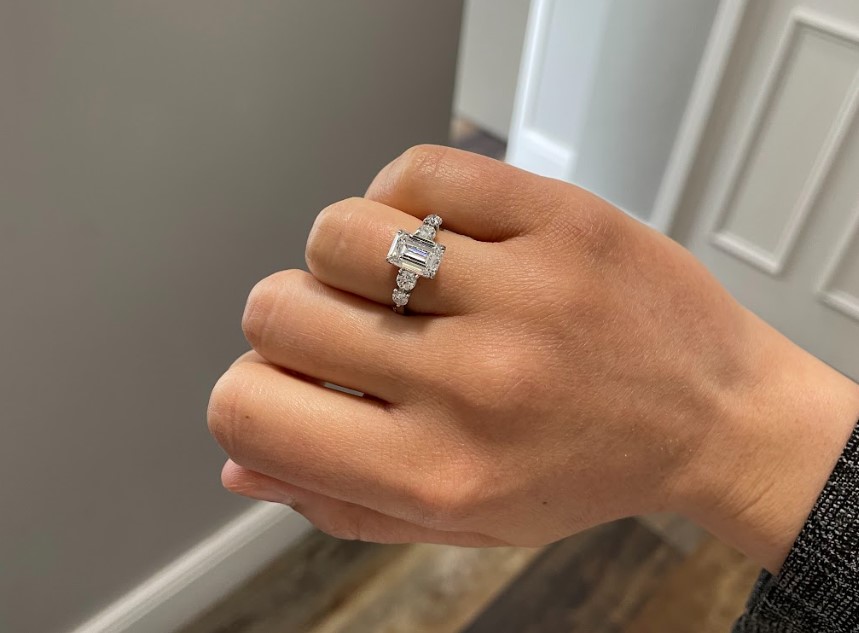
When most people think of diamonds, they picture sparkle, fire, and brilliance. But what truly brings a diamond to life is its cut. More than any other characteristic — including carat, color, or clarity — the cut determines how a diamond interacts with light. In this article, we’ll explore what diamond cuts are, how they impact value and beauty, and the most popular shapes you’ll encounter.
Table of Contents
What Is a Diamond Cut?
The diamond cut refers to how well a diamond’s facets are proportioned and finished. This includes:
- Proportions: The angles and relative dimensions of a diamond.
- Symmetry: How well the facets align and mirror each other.
- Polish: The smoothness of the surface after cutting.
These factors directly influence how light travels through the diamond — how it reflects off the facets and returns to your eye as brilliance.
Cut vs. Shape: What’s the Difference?
While often used interchangeably, cut and shape are not the same:
- Cut is about craftsmanship and quality (excellent, very good, good, etc.).
- Shape is about the outline or form (round, oval, pear, etc.).
You can have a pear-shaped diamond (the shape) with an excellent cut (the quality of how it was faceted).
How Cut Affects Sparkle
Diamonds are prized for three key visual effects:
- Brilliance – The white light reflected out of the diamond.
- Fire – The rainbow of colors dispersed through the stone.
- Scintillation – The flashes of light that sparkle when the diamond moves.
A well-cut diamond maximizes all three, lab diamonds, making the gem appear brighter and more lively. Poorly cut diamonds, even with high clarity or carat, can look dull.
The GIA Cut Grading Scale
For round brilliant diamonds, the Gemological Institute of America (GIA) assigns a cut grade from:
- Excellent
- Very Good
- Good
- Fair
- Poor
Only round brilliant diamonds are currently graded for cut by GIA. Fancy shapes (like oval, princess, or emerald) don’t receive a formal cut grade but are still evaluated for symmetry and polish.
Popular Diamond Shapes
Here are some of the most popular diamond shapes, each with its own charm and appeal:
| Shape | Description | Features |
|---|---|---|
| Round Brilliant | Most popular, classic shape | 58 facets for maximum brilliance |
| Princess | Square or rectangular with pointed corners | Modern and elegant |
| Cushion | Square with rounded corners | Vintage, soft sparkle |
| Emerald | Rectangular step cut | Elegant, emphasizes clarity |
| Oval | Elongated round | Appears larger, flattering on fingers |
| Marquise | Football-shaped | Maximizes carat weight |
| Pear | Teardrop shape | Unique, bold |
| Asscher | Square step cut | Art Deco style, clean lines |
| Radiant | Square/rectangular with brilliant cut facets | Hybrid sparkle |
| Heart | Symbolic, romantic | Rare and distinctive |
Choosing the Right Cut for You
When buying a diamond, prioritize cut quality. An Excellent or Very Good cut can elevate a diamond’s appearance more than higher carat or clarity. Consider shape based on personal style and hand size, but let the cut guide the brilliance.
Final Thoughts
A diamond’s cut is more than just aesthetics — it’s the essence of its sparkle. Whether you’re shopping for an engagement ring or investing in fine jewelry, understanding diamond cuts can help you make a brilliant decision. After all, a well-cut diamond doesn’t just reflect light — it reflects love, commitment, and timeless beauty.